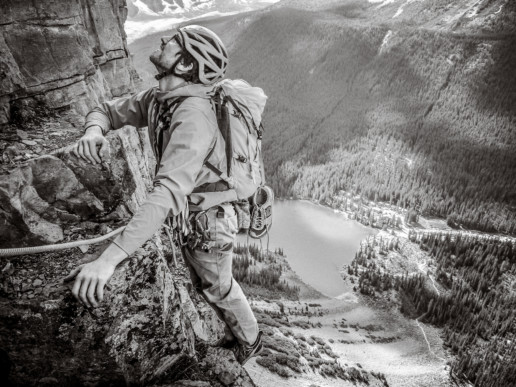
Food for the mountains and photos from the Tower of Babel
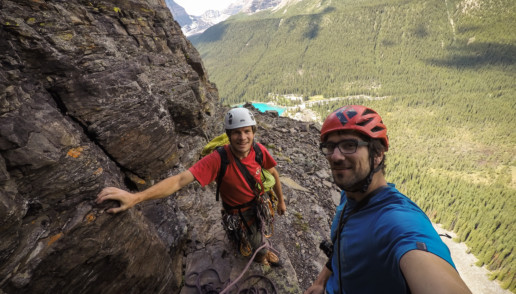
I wanted to put together a few of my favorite photos from the Tower of Babel because with so much media created it’s not hard to lose a lot in the shuffle of moving on to the next thing! This is a short post and by the time you’re reading it I’ll be on my way into the backcountry for another adventure in the mountains-this time the Bugaboos! Martin and I are going for a larger objective than the Tower of Babel-the Northeast Ridge of Bugaboo Spire-which is beautiful and quite a long day. It will surely test our ability to move efficiently and cover a lot of ground.
Today we are packing up and gathering food-laying plans and tactics for the coming days. It’s exciting to be returning to the Bugaboos (which I haven’t visited since Project365 in 2012) but it’s also a little nerve wracking because once you’re out there-you’re out there and it’s too late to pick up that one last item you left back at the trailer!
- My breakfasts: a few spoonfuls of my peanut butter-sunflower seed and hemp seeds concoction, along with bulletproof tea (coconut oil with tea) and some cheese.
- Snacks/Lunch: cheese and salami, Brazil nuts, jerky.
- Dinner: Boullion soup, coconut oil, greens, cheese and tuna fish.
- Glucagon, Clif bars, shot bloks and dark chocolate for emergencies/low BGs
I hope to be back out of the wilderness and reconnected by early next week with lots more photos and video to share. In the meantime, I hope some of these photos inspire you to get out and find some adventure of your own. There’s a lot out there and it belongs to us all.

Dance with the fear: Tower of Babel trip report
I feel as though I’ve been given a gift that is so precious that I don’t deserve it. I almost feel guilty being able to experience these moments on the edge of my comfort in some of the most spectacular places on the planet. It’s not just being there that is so meaningful it’s the price we pay to dance with the fear. The people that we encounter on this hard road to nowhere become friends and mentors. The price is high but fair.
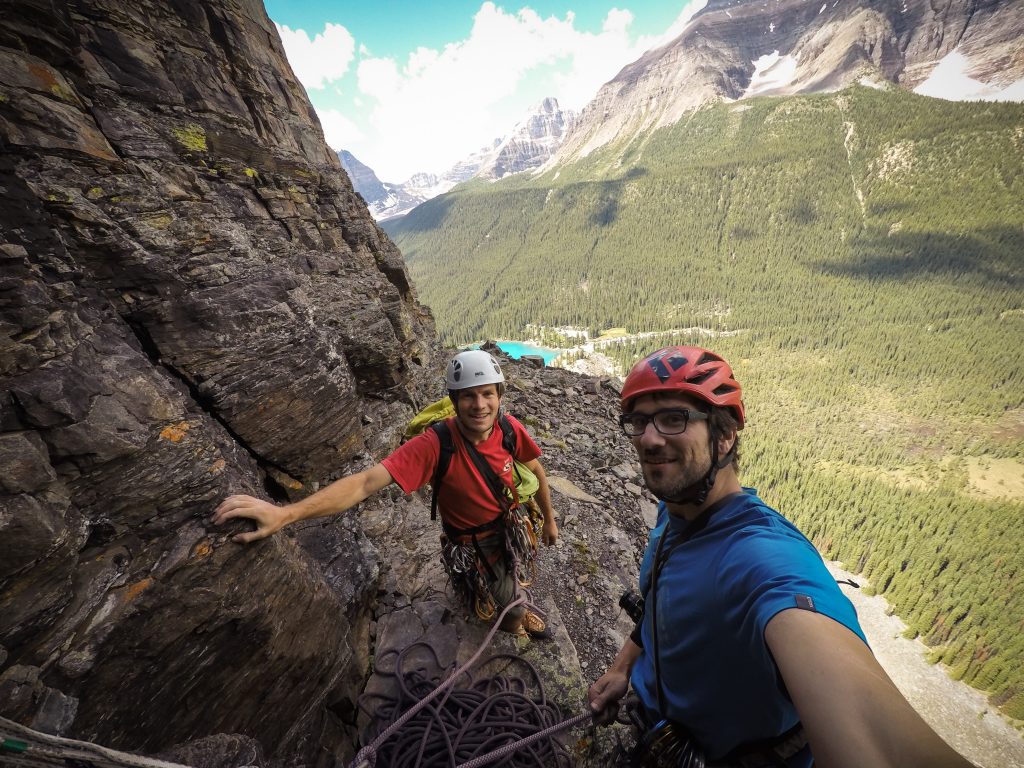
I set out to climb Tower of Babel in Banff National Park (near Lake Louise in Alberta) with Martin Fuhrer-a good friend and Type 1 companion since Project365 serendipitously brought us together. His father, Hans, who is now 80 had climbed this same formation many years ago and he recommended it highly. As a lifelong climber and former head of SAR (search and rescue) for Parks Canada, his suggestions always carry significant merit because many of todays classics were pioneered by Hans and his friends in the 60s and 70s-and he has many unrepeated first ascents in the backcountry that are staggering feats of effort even by modern standards.
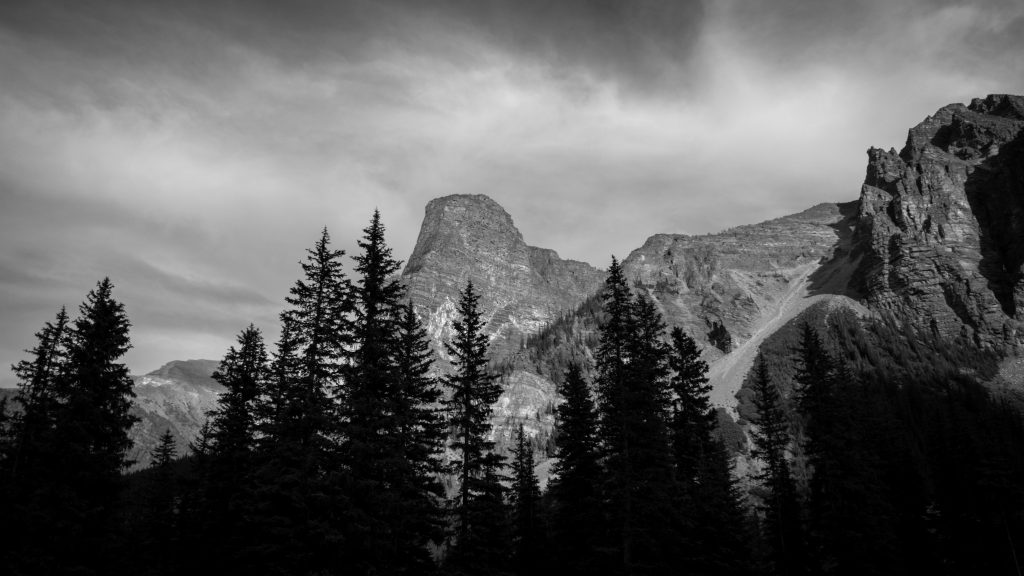
Waking up at 4 AM is never something I enjoy. “It will be worth it” I keep telling myself as I stagger around trying to get some semblance of breakfast together that will be fast, easy and compatible with my Ketogenic diet. A quick blood sugar check and I can see that I’m already off to a sub-optimal start. I’m higher than I want to be on waking (150) so I trim the meal to the bare essentials and take one unit of rapid acting insulin which will hopefully have left my system before we start the uphill grind to the base of the tower. Peppermint tea with coconut oil, cheese, almond butter and hemp seeds are my rations. I pack some eggs and more cheese for later on the climb, along with some Brazil nuts-which will ultimately stay in my pack for the entire day without being eaten.
A two hour drive puts us in the heart of Banff and we begin the approach. My blood sugar is still high (178) but I don’t really care-it will come down soon enough and I’d prefer a little cushion with the steep hike ahead that will ultimately deposit us at the base of the 1,250 tower. Trying to describe a day of climbing is hard-and possibly not worth my time or yours beyond a certain point.
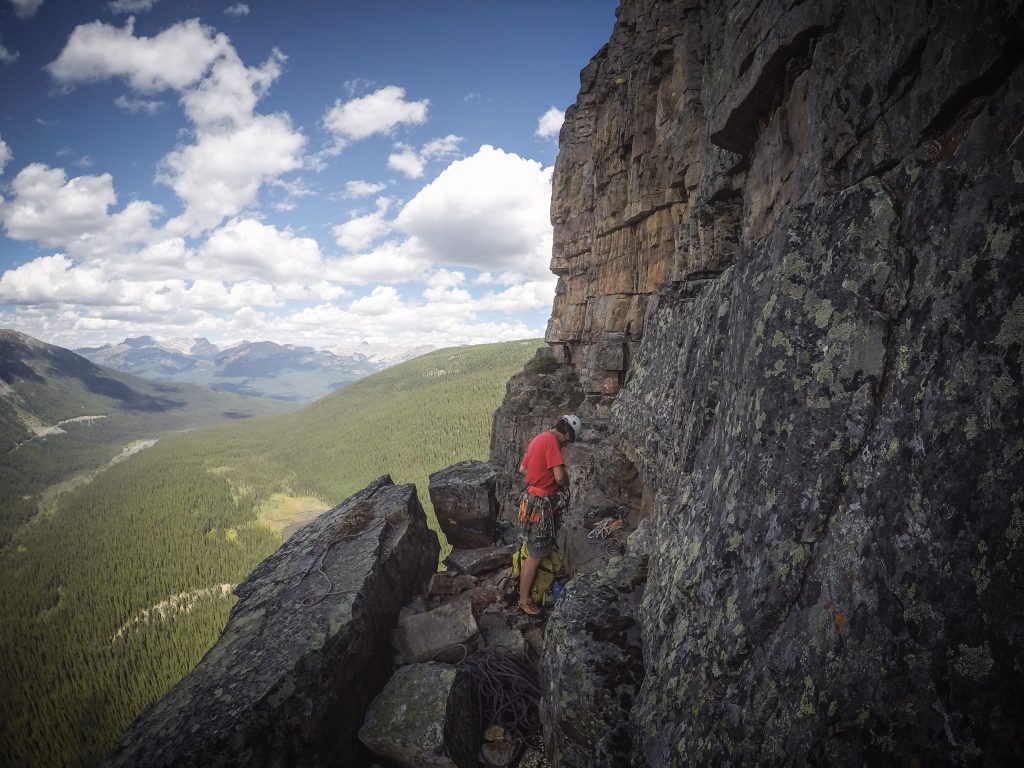
It was hard at first and then it became easy. I think that’s the heart of the matter-which is worth literally ALL of my time. Doing hard things is how we make them normal. Normal becomes easy and our limits shift. I keep thinking about this on the wall as I look repeatedly at my CGM watching my blood sugar-concerned about a shift or a drop that ultimately never comes. I wonder what it would be like to live without that concern, that fear. It’s with me everywhere I go.
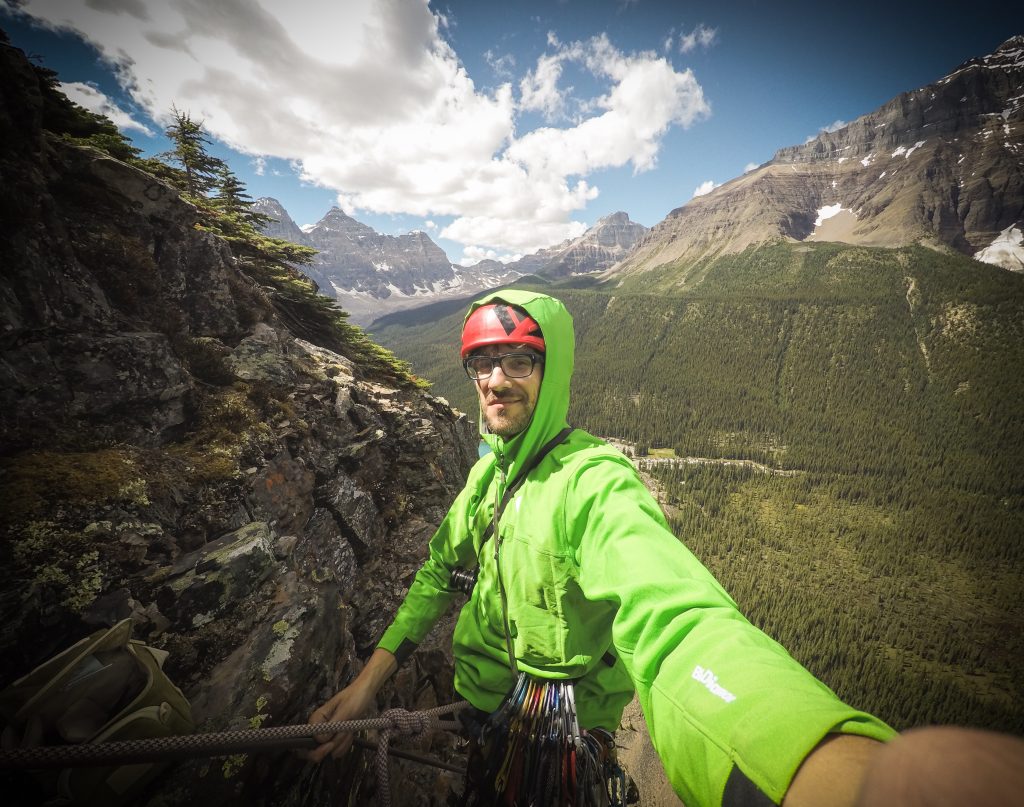
The illusion that I’ve transcended that fear because I choose to dance with it in the mountains sets my teeth on edge. I’ve read some misinformed bloggers who think that my climbing is about demonstrating conquest. In truth it’s about the ritual of confronting my weakest self and watching the myth of conquest evaporate like morning mist. Here on the side of a cliff my fear is nearer and more present than ever. I hear it on the wind and it whispers worst-case what-ifs in my ear. The day that I conquer my fear is the day I will have no more use for climbing. I have no concerns about such a day ever arriving.
From the dance with fear comes joy. The gift. This is real-as real as high blood sugar. As real as the fear.
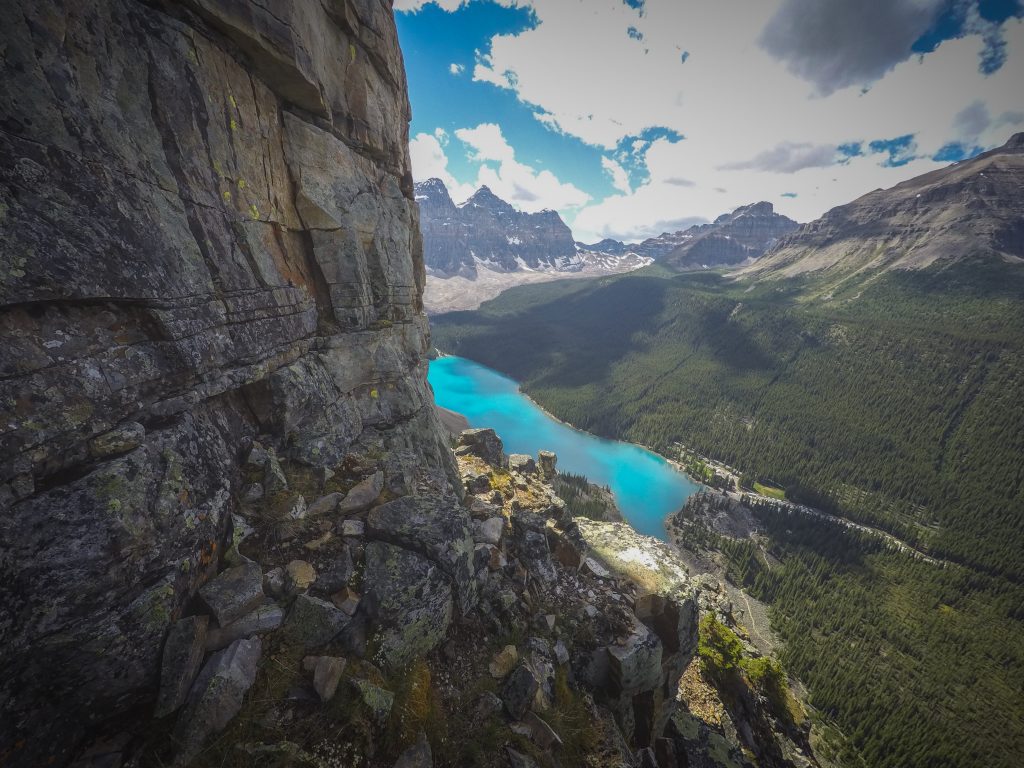
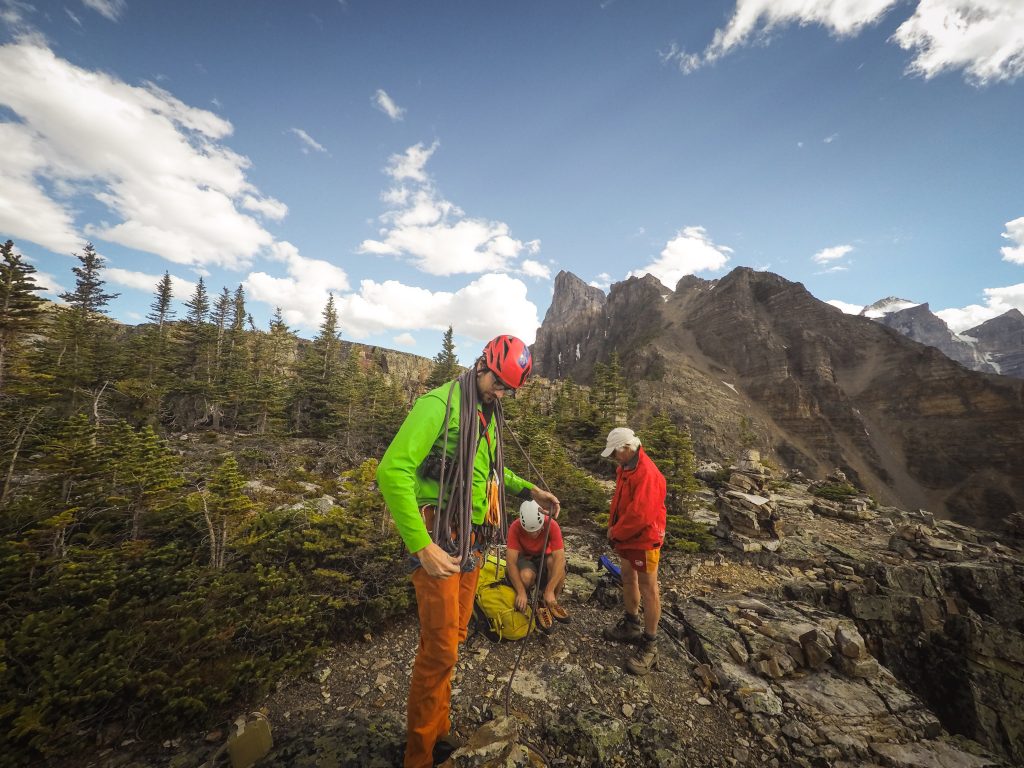
We push through to the summit and find Hans waiting for us-he hiked up a grueling gully to meet and congratulate us. We share details and memories of the climb in the way climbers do. I feel so much joy at the completion of the ascent, our ability to bring type 1 diabetes into the vertical world and our escort down the mountain. I joke with Hans that it’s not often one gets escorted off a mountain by the (former) head of SAR under such pleasant circumstances. His laughter drifts back over his shoulder as he is already out and away down the trail, ahead of Martin and I.
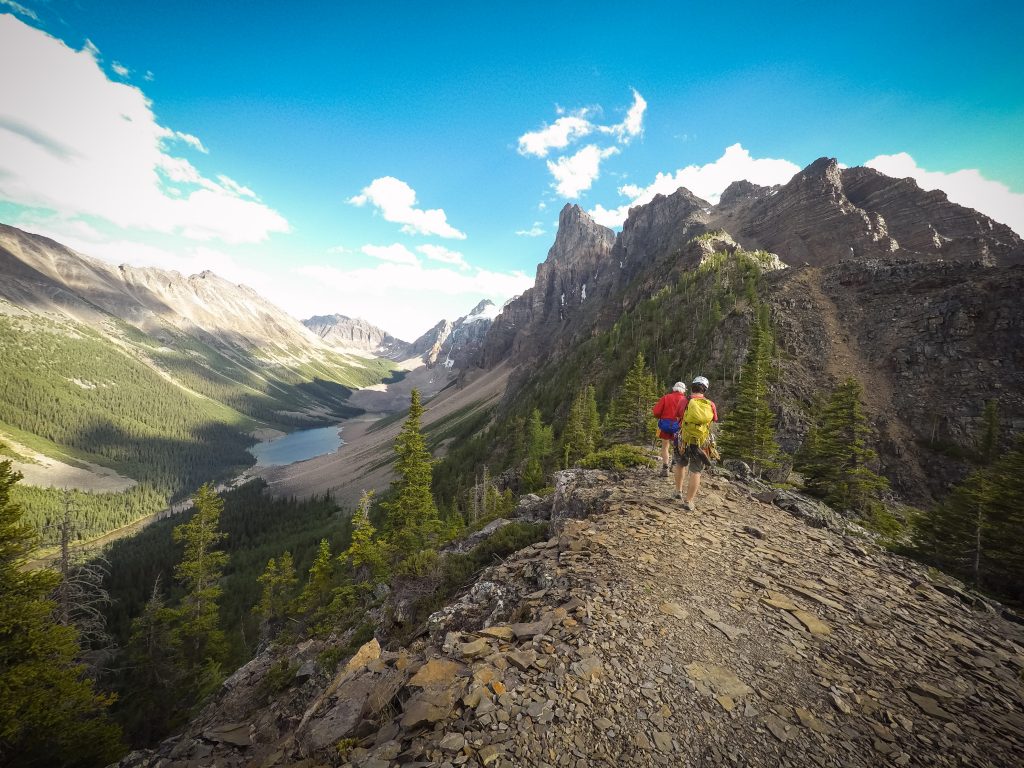
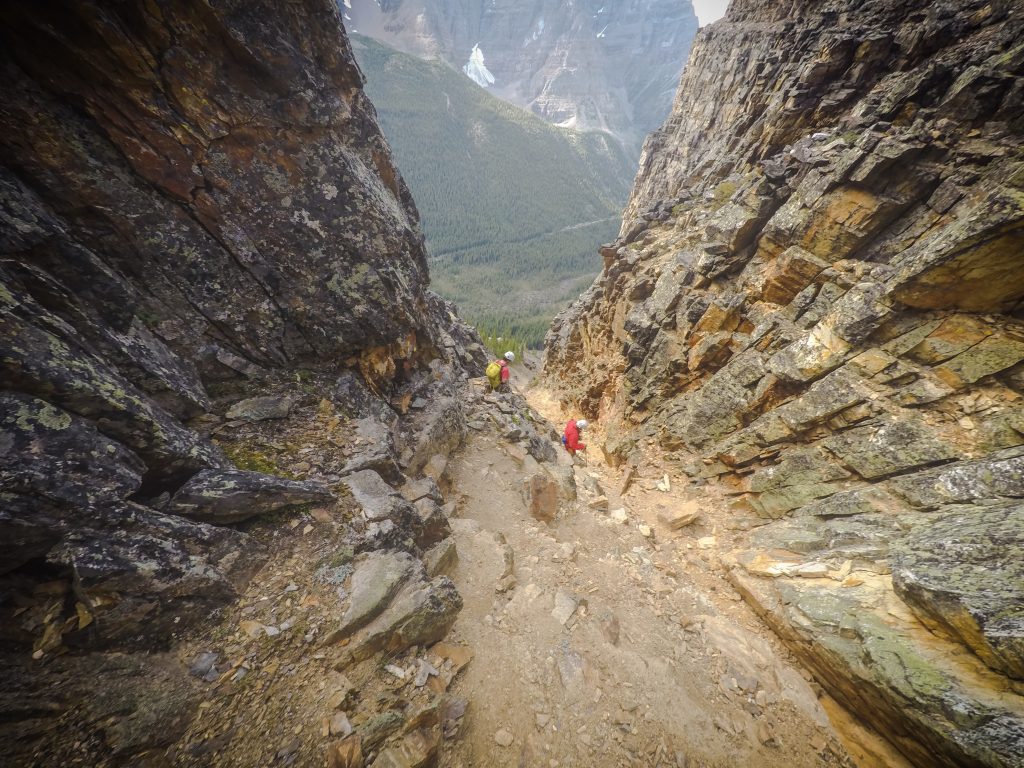
I hope that I can find that much joy and strength in the mountains when I too am 80 years old.

How I use data to manage my diabetes: a guest post by Christel Oerum
Hi Living Vertical followers, my name is Christel and I’m a fitness geek and Type 1 diabetic. Like Steve, I’m all about understanding my diabetes and managing it rather than letting it run my life.
I always tell people that my (slight) obsession with data is one of the main reasons why I’m able to live a very active fitness lifestyle as a diabetic. I monitor and record pretty much everything related to food, exercise, and insulin and use that data to adjust my diabetes management. This means that I rarely have to guess when it comes to my diabetes management. Instead, I make fact-based decisions on a daily basis to ensure that my sugars are in check.

This is one of the things I write about on TheFitBlog and it does sometimes lead to questions from my readers about how I keep all my data straight and avoid getting overwhelmed. The short answer is a good combination of technology and old fashioned note books.
Since you follow Steve here on Living Vertical, I’m just going to go ahead and assume that you also see him as an inspiration and want to take charge of your diabetes and your health (if you haven’t already). Therefore, I would like to share a few tips & tricks on how to get enough data to manage your diabetes (and fitness) without getting overwhelmed.
The low tech component to my diabetes management
The first step to getting the data you need is to get out pen and paper and start taking notes of everything you do. It’s as low tech as can be.
Whenever I start on new diet or exercise regime, I’ll try to keep everything constant for at least 3-4 days in order to get my data straight. I’ll (as a minimum) stick to eating the same type and amount of carbs at each meal. I’ll make notes of when and what I eat, my dose for the meal, and my blood sugar before the meal as well as 90-120 minutes after the meal. I’ll also note down what else I’ve been up to (exercise, stress, etc.). This gives me the data points I need in order to start seeing patterns and making adjustments.
I’ll then use this data to calculate my insulin ratios throughout the day (yes I have several, and they depending on the time of day). If my blood sugar consistently 90-120 minutes after a meal is down to where it was before my meal, I know I have found the accurate carb ratio for that time of day. If it’s not, I’ll change the dose as needed. The same method goes for correction ratios (aka insulin sensitivity).
Utilizing technology in my diabetes management
While finding my patters and insulin rations are a very low-tech process, I use technology for the next steps.
As mentioned, I have several carb and correction ratios depending on the time of day, but that’s just two factors. I also need to make dosing reductions depending on my workout regime and active insulin onboard (I’m on MDI). I have found a way of doing that without having to try and remember way too many variables myself.
I was fortunate enough to receive an old pump from a former employer. Since I’m on MDI, I don’t use it as a regular pump, but I track all of my pen injections in the pump and use the bolus calculator to calculate insulin doses.
By using the pump, I always know how much active insulin I have on board, and because I have my carb and insulin sensitivity ratios programmed in the pump, I don’t have to calculate how much insulin I need for carbs or corrections myself. Also, when I go see my doctor she can just download data from the pump so I don’t have to keep a paper log for that.
A pump is obviously a REALLY expensive solution, but the good news is that I’ve recently found a great alternative. I’ve started using an app called RapidCal that can log the same information as the pump plus my exercise correction factor. Hurrah, I (almost) don’t have to think anymore J the app does it all for me.
This may sound like a lot of work, and it is. However, I think it’s worth it. After only a few days of tracking everything, I have solid enough data to calculate my daily ratios and be proactive in my diabetes management rather than having to be reactive and let the diabetes control me.

Christel is a blogger, certified personal trainer, bikini fitness competitor, and fitness model. She has been living with type 1 diabetes since 1997, and at an early stage decided that that wasn’t going to slow her down. She writes about Health, Fitness and how to be Fit With Diabetes on her blog TheFitBlog.com. She also trains people with diabetes from across the globe, online and in person, and supports them in meeting their fitness goals.
Crowdfunding: a frank discussion
LivingVertical isn’t for everyone. It’s for YOU. That’s why I am asking you for the opportunity to make this mission, this message my full-time priority by pledging support for our work via our recently launched Patreon campaign. It’s loaded with exclusive rewards which you can see for yourself, including our first foray into print media-The AdventureRx Journal.
Over the past few years you’ve watched me attempt to juggle the disparate goals of supporting a family and creating revolutionary adventure media that can overthrow the limitations of type 1 diabetes.
I’ve decided to stop juggling.
I’ve committed to LivingVertical full time. That means sink or swim-a test that I’ve been able to protect LivingVertical from for years. I’ve worked many different jobs to support this effort myself and I don’t regret keeping it on life support in order to get back to this point of giving it my full time focus. Now, the question is ‘How long can I afford to maintain this commitment while supporting my family?’.
When I first began working to create empowering adventure films, blogs and photos in 2011 I had a sort of luxury of being free to live in the dirt. Literally. I took great pride in doing more with less. It felt rebellious to start taking a stand without asking for “permission” from corporate sponsors. Having basically no overhead made us hard to squash-like post apocalyptic cockroaches. I never anticipated success. When Project365 was completed there was too much momentum to just walk away from LivingVertical-but no pathway for sustaining a living from it either. I assumed that if LivingVertical was good enough some company would sweep me off my feet and give us the financial support required to ride off into the sunset creating inspiration and empowerment for the world at no cost.
I often have been told that “It would be great if (insert drug/device company name here) sponsored you! Seems like you would be a great fit. Have you ever looked into that?” I have had some great relationships with sponsors in the past-but we never rode off together into the sunset. Short term engagements left me searching for ways to attract the next short term engagements. My focus couldn’t be the work and the message. The message mattered to me and my audience-but it wasn’t what was supporting me financially.
The reason I am attempting to crowd-fund the backbone of our support is because I want to change that. I believe that my audience and the message come first. Having audience support is what allows that freedom to exist.
No one is entitled to having an audience, let alone support from that audience. The fact that you’re here with me means that I’ve been given a wonderful gift already. I have no intention of putting my work behind a wall and making it pay-to-play. I’m asking you for the opportunity to make the free, public work of LivingVertical bigger, better and more impactful.

Ketogenic diet and hypoglycemia
I wanted to write a technical post about a question I keep getting regarding the ketogenic diet and hypoglycemia. Even if you’re not into the keto diet, I think you may find some useful ideas to make low blood sugar less invasive in the short term. I recently shot a series of videos about the ketogenic diet and diabetes as part of my daily YouTube vlogging and you can check those out and subscribe here.
My general goal in my diabetes management is minimalism. Minimal intervention, treatment and daily impact. The most basic manifestation of this is to aim for the use of less insulin, which can create greater blood sugar stability. This strategy led me to a low carb diet. The need to have athletic performance in addition to the blood sugar stability led me one step further to the keto diet.

You can call me diabetic
You can call me diabetic if that’s what works for you. I won’t call the language police to shut down communications. Silence doesn’t help those of us living with this condition and it doesn’t help the outside world deal more gracefully with admittedly difficult subject matter.
I’m not saying that words don’t matter. Words do matter-not because of an inherent value in the words themselves but because of the context. Words matter because of how we interact with them. Trying to protect ourselves from terms themselves is asking the wrong question. Leaning into the effort of influencing context and controlling the narrative is proactive. It’s something for which we can take responsibility. We can change what words mean through action. That starts with taking ownership in our own life. The point of this exercise is to change our perspective. The benefit to us is a better life, independent of the willfully ignorant.
Scrutinizing semantics shifts the focus outside of the things we control. Asking how we can break underlying ignorance seems closer to the mark. Person with diabetes, climber, diabetic, diabetic climber-are all accurate. None of those words makes me who I am. They don’t define me-I define them. Doing that work is something I own-it’s not something I’m willing to outsource. The heart of being successful with this disease involves questioning everything and being independent enough to formulate your own rules based on what works for you, not playing by rules handed down from internet authority figures or arcane medical tropes.
I’m aware that I’m asking you to freely reject my position as part of my platform. I’m no authority figure. I’m just one person. I’ll choose to define the value of diabetes for myself, thank you. That includes all the words and the nomenclature that comes with it. It’s my disease and I’ll paint it any color I want.

Measuring what matters: effort over outcome
We do a lot of measuring in diabetes-but are we measuring what matters? As you may know, I’ve been on the east coast for about a week or so and I’ve been doing a little “experiment” that I’d like you to participate in. I am sharing a video each day-on my YouTube channel. It’s been a great opportunity to work on my video story telling (starting with some lighter “cat videos” to get warmed up!) as I prepare for a big climbing project this fall and it’s the pathway I am following as I push the message of empowerment and redefining the limitations of life with type 1 diabetes. I’m still sharing blogs because those are good outlets for photographs, opinion pieces and technical discussion- but the play by play of my adventures-well, that’s moving to a different stadium with more seating. I truly hope you’ll subscribe to our channel and be part of a new frontier (new for LivingVertical) that we are navigating. These forays are always way better with friends.
During my time in New York City, I had a chance to meet up with a good friend and we did an informal interview for the vlog. It got me thinking about some of the common complaints and touch-points that I’ve been noticing a lot in the community. There’s a tension between a segment of the diabetes community who think diabetes isn’t that hard-and others who think it’s basically impossible. I have been looking for years for a way to bridge that gap and inspire those who are burnt out-and borrow from the success I have had in order to equip those willing to fight on.
I know that it’s cathartic to hear leaders in our community say that it’s impossible to control our blood sugar. While I don’t disagree with this assertion, I believe it’s an incomplete message without equal priority being given to the things we can control. Effort is the focus. Effort is good or bad. Effort should absolutely be judged-because effort is one of the things we can control. Clear black and white language must apply to our self-review or else we will create loopholes to escape our responsibility.
I write this as a flawed, lazy and impatient person who spends a good deal of creative energy trying to trick my “future-self” into doing the right thing from the comfort of what will soon be the past. I’m not advocating open season on judging each other-since that process is already working out beautifully on Facebook in this harmonious political climate-but I’m saying that it’s worth holding ourselves accountable. We are not delicate snowflakes that will wilt under the duress. We will grind our teeth at times and soldier on, better off for having done so.
I would ask you to stay the hands reaching for your pitchforks and torches-because the quality of the effort is not determined by the outcome. You can do everything right and get the wrong results. I’ve seen it happen in climbing, in losing friends to their own demons, in diabetes too, of course-and the only refuge we have is knowing that our best effort was given in the fight. Sometimes that must be enough.
I’ll give a quick example. When I started LivingVertical, I got some pretty hateful comments from people who were complete outsiders. They judged my desire to use climbing to empower and inspire as being a flimsy publicity stunt that would ultimately detract from getting funding for real, meaty solutions like a “cure”. My initial reaction was to say “What the hell?! I show up trying to give people this gift and I get kicked in the teeth?” It’s true that my critics were trolls and they were completely out of line. It’s also true that encountering that judgement gave me a moment to pause and examine what I could be doing or saying to increase the clarity of my purpose. It made me that much more committed to examining my own intentions. I avoided a lot of pitfalls because I did not want to do anything to validate the trolls.
Adjust expectations and emphasis to favor the effort and let go of the outcome. Then, choose your battle and fight like hell.
I was going to write about my switch to Toujeo...
I had pretty high hopes for a recent switch in my basal insulin. I’ve discussed it a bunch in my Vlog on YouTube and I promised to write about it here and give a full report. So here is my experience of Toujeo: it’s Lantus in a different colored pen with an even sillier name. I didn’t experience weight gain or an increase in the dose like some detractors had warned me about online. I didn’t experience better or more stable blood sugars as some proponents had predicted. It was basically the same-same dose, same action, same stability. If there were any advantages gained in my switch they were imperceptible.
The one thing that this trial DID reinforce is the very perceptible benefit of splitting the dose of Lantus or Toujeo. I started off taking a full dose of Toujeo and found that it did exactly the same thing as Lantus in a single daily dose: lows up front then increasing blood glucose from hour 18-24. This left me chasing my numbers up and down the spectrum for more than half of the hours in a day. Once I returned to splitting my dose the stability in my numbers followed with it.
One needn’t look very far on social media and diabetes forums to find people who will tell you that “injections suck” and that using a pump is inherently superior. I find that many of those who hold to this view never experimented with the nuances of basal insulin and failed to dial in their dosing. I readily admit that’s why I didn’t have a great experience on the pump. I took the “starter” settings and didn’t get far beyond that point. Turns out that’s a pitfall that occurs when using injections too.
My purpose in writing this isn’t to compare shots vs pumps. I’ve already done that in this blog linked here. It’s to share that in my experience, many times over, splitting a basal insulin into two half-doses daily makes a massive difference in terms of blood sugar stability. I have noticed more and more pumpers taking “breaks” and going back to injections and this technique could be very useful-and it’s surprising to me how many doctors don’t recognize that. I’d love to see a day when insulin that is advertised as “24-hour” insulin actually lasts that long. Come to think of it, I’d love to see a day when medication isn’t wrapped up in marketing, period. In the interest of full disclosure, I am currently moving to trying Tresiba in hopes that it may at least be able to give me that full 24 hour duration. If there’s anything to report, I will.
Ready for my disclaimer? Here goes: this blog post isn’t paid content and all the opinions here are my own. I am 100% certain that the companies which manufacture and all of the drugs referenced here do not condone my blasphemy in the form of non-FDA approved usage of their products. They haven’t asked me to provide an opinion nor have they paid me for this service. They also haven’t paid me to shut up, so I’m still here ranting about how we can use older, cheaper therapies to get better results with a little ingenuity.

You can't stop the suffering; you can only use it.
I was recently asked on Instagram: “How do you deal with the emotional burden and sadness of living with type 1 diabetes?” This question is almost always presented in terms of how can we stop the suffering. I want to look at this differently: how can we use the suffering to build something bigger than the pain. I’ve been thinking about that question in the context of my own recent loss. I think the answers are the same regardless of the specific source of the suffering.
Acceptance: This is the missing link. Trying to substitute avoidance in its place is just kicking the can down the road. If you wake up each day wondering why you have to struggle with diabetes it’s because it hasn’t become normal. Yet. Some part deep down is expecting or wishing that the struggle is a bad dream and that you will wake up one day and return to an easier normal. That fantasy is often cultivated on social media and it’s the surest path to misery and feeling every bump in this road that we are unable to exit. Once the battle is accepted type 1 diabetes stops being special. It stops standing alone, out of reach of all the solutions that seem to work for everything else. My diabetes isn’t it’s own thing. It’s a facet of my climbing. My travel. My photography.
You have to fully let it in so that you can let it out. Struggle needs an outlet. Accepting diabetes fully allows it to access and permeate the conduits that inspire us-and we are no longer left playing the good against the bad. The hardship adds value to what we create, if we can recognize the need to let our adversary out to play.
Influence: I know that the term “control” in relationship to diabetes is inelegant because it sets us up for an unrealistic outcome. I don’t intend to get into the technical aspects of managing blood sugar here. Still there is tremendous psychological value in exerting all possible influence over our health. Diet matters. Exercise matters. Lifestyle and happiness matter too. There is much we can’t control and that is much more bearable if we are making the best use of the variables that we can control. It won’t solve all your problems but you will certainly learn something and even if it improves one small facet of your life it’s a win. Small wins add up.
Investment: As I wrote in an earlier blog, the only thing that endures beyond us is the way we make people feel. The “good shit” we create in our lives and the lives of others that they can hang onto when times are tough. The truth is that sadness is inevitable. There’s no way to be happy all the time. There’s no way to have stable blood sugar all the time. I’m meticulous with my diet and exercise and lifestyle and I can tell you that the sadness and “burden” is always there. The trick is that I don’t expect it to be otherwise, so I make sure to set that burden aside at times so that I’m not buried beneath it. I fully feel the low points in order to move beyond them. I’ve given myself permission to be vulnerable but not to wallow.
This understanding of alternating periods can guide the way we invest the time we have. Between the waves of sadness we start to see opportunity and hope. We exploit those moments and expand them. The alternative is waiting for the undertow to return, cringing at the knowledge that we are powerless to stop its inexorable onslaught. We use that harsh truth as motivation to invest the moments between and put good things in the bank-because the inevitability of suffering will certainly make it worthwhile.

The whole world is trying to remove burdens. Remove suffering. We are told to think of that as a solution. I don’t believe that’s the case. Burdens are the foundations for the monuments we are building that will carry the legacy of what we stand for, long after we have fallen by the way. I don’t climb things because it keeps me from being sad. I climb things because I know that I can’t help but be sad at times-and when those times arrive, I need to look back at the photos of the joy and times spent in the mountains and they become windows beyond my current sadness. They are an outlet for my diabetes and an escape hatch for my soul; reminding me that there is a reason to go on because sadness is just a middle, not the end.

Life is short; we are fragile.
When friends pass we realize this reality; but it’s ever-present. We are just living in a bubble of perpetual unawareness. The numbness at this truth is temporary-it must ultimately be replaced with some feeling. Some resolution. Nothing outlives us besides what we make people feel. In some ways there is nothing more important because that is ultimately our legacy, nothing more-and nothing less. I’ve been struggling with the loss of my friend who had taken me and my family in over the last few months when we were in Las Vegas, stranded, after my car was totaled in a hit and run accident. He’d give to others to the point that it was absurd. It didn’t seem possible that someone so generous could keep nothing left in the tank to sustain the joy that he gave to everyone else.

Chris Pittman always managed to make everyone feel important. He’d take you seriously if you shared a big goal. He wasn’t the guy who’d ask ‘Yeah, but are you sure that’s a good idea?’ or ‘How are you going to get funding for that?’ He had a special appreciation for the outrageous. His habit of living with life with no half measures was comforting in an odd sort of way. He’d always manage to catch his shoe laces on a Manzanita bush while hiking along the edge of a 500 foot cliff and somehow still walk away and be able to laugh about it. His approach was like that of a child on a playground. Always ready to share what he had and be your friend with no expectation of return or benefit.
Now he’s gone and suddenly everything seems more dire. The bubble has popped-for a time at least. His levity was able to shield some of us and lift others to great heights. Still it couldn’t pull him from the sinking sands. None of us could. The last time I spoke to him he said ‘It’s good to hear from you. I haven’t really been communicating with anyone.’ He had given up his seat on the lifeboat-not to be heroic. He said he just wanted to go for a swim. None of the outstretched arms could make him stay on board.
In the last few days I’ve had this feeling where I’m going along with my day, happy and then suddenly I’ll trip over that hole that he left. While comforting me, a friend told me that this type of thing never goes away. She said, ‘You can’t try to understand it all or make it stop. You have to accept the pain and be content with holding on to the good shit. That’s how you keep from falling in that hole’.
The loss of my car in Las Vegas and the delay that had me wracked with anxiety over the last few months-gave me the chance to spend my last times with Pittman. That’s a special anchor to hold onto. I got to tell him how I loved him and that he was important to me. We talked about trying to turn his struggle with depression into an adventure project that could reach other people and shine a light into their world.
Time that I had anxiously spent waiting to get back on the road became a gift in hindsight. Sheer boredom forced me to focus on creation while I passed the time. I didn’t have anything grand or adventurous to photograph so I took pictures of my friend. Those are the last photos of him. Even with the solace of knowing that I didn’t miss opportunities with him-he’s still gone and it still hurts. Some things are out of our hands and when that realization hits, we can only hang on to the good shit, because that’s all that’s left in the end. That’s all that’s worth investing in, every day.

Pick up that camera. Take that photo. Write that email. Climb that mountain. Your legacy doesn’t belong to you. It’s not the monolithic magnum opus of the driven competitor that is too easily romanticized and too quickly forgotten. It’s not the act of ambition-but the way you make people feel along your path to the top. Those are the ashes which remain to commemorate our fire long after it has gone cold; they filter down through the sheen of our bubble-walls in which our life is guaranteed and suffering is optional.
